

Alcatraz Island is quiet in a strange way. Even before you arrive, you feel it. The cold air from the bay. The sound of water hitting the boat. The city is slowly fading behind you. This island is small, but its stories are heavy. It’s one of the most memorable places to visit in San Francisco, especially for people who enjoy learning while walking, listening, and noticing small details.
Taking the Ferry Ride
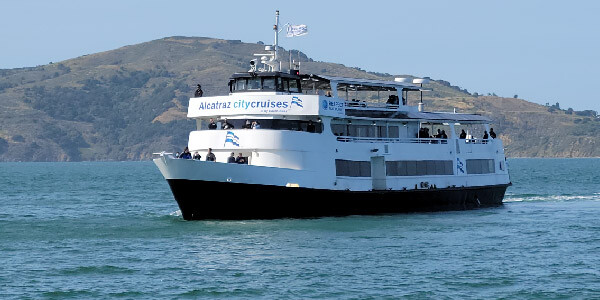
The trip to Alcatraz begins at Pier 33. The ferry ride itself is part of the experience. As the boat moves, the wind feels sharp on your face. Seagulls follow quietly above. The Golden Gate Bridge often hides behind fog, while the city skyline looks soft and far away.
Morning ferries are calmer and feel less crowded. The water is usually smoother, and the light is gentle. Even on sunny days, wearing a warm jacket matters. The bay is always cold. This ride prepares you for what the island is about to tell you.
Walking Through the Famous Prison Cells
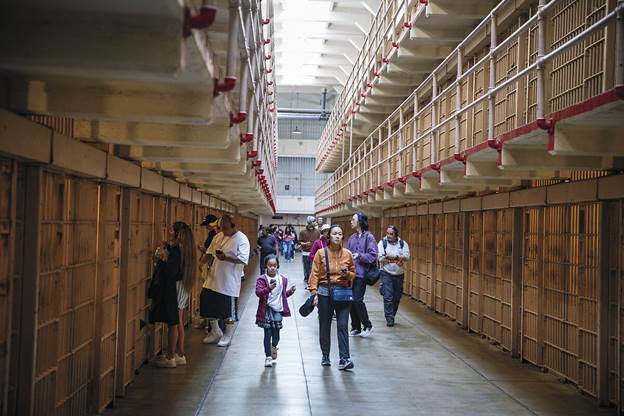
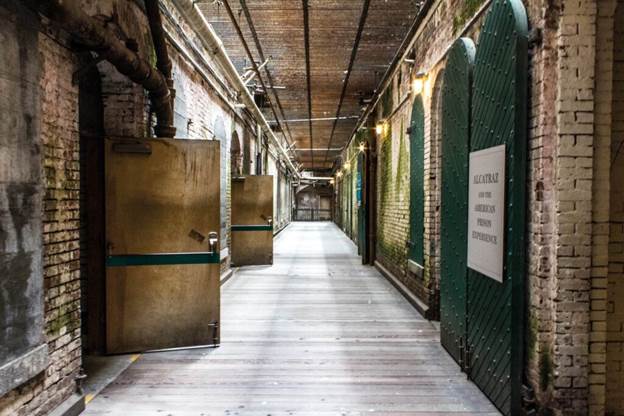
The main prison building is where most visitors spend their time. Inside, narrow halls stretch long and straight. Metal doors stand open. The audio guide lets former prisoners and guards speak in their own words. You hear keys, footsteps, and quiet echoes. It feels personal and honest.
Late morning is a good time to enter the cell house. The space feels less rushed, and you can pause and listen. Entry is included with the ferry ticket, which makes this one of the most powerful activities in San Francisco without extra cost.
I remember standing inside a cell and noticing how small it felt. It made everything else go quiet in my head.
Learning About Escape Attempts
Many people visit Alcatraz because of escape stories. You see damaged spoons, vent holes, and models showing how prisoners tried to leave. Some plans were clever. Some were desperate. The famous 1962 escape still has no clear ending, which keeps imaginations alive.
Reading the signs slowly helps. Standing near the cold water makes you realize how risky the escape really was. Afternoon light often shines through broken windows, adding a dramatic feel without effort.
Exploring the Outdoor Areas With Stunning Views
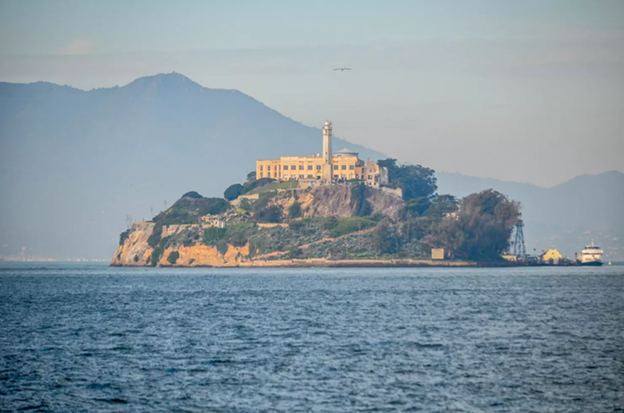
Outside the prison, the island feels very different. You walk along paths with open views of the bay. The city looks close, yet unreachable. Wind moves through tall grass. Birds rest on old walls. It feels peaceful and sad at the same time.
Midday is best for outdoor walking because fog often lifts a little. Comfortable shoes help since the paths are uneven. These quiet moments balance the heavy prison stories and make the visit feel complete.
Discovering the Island’s Earlier History
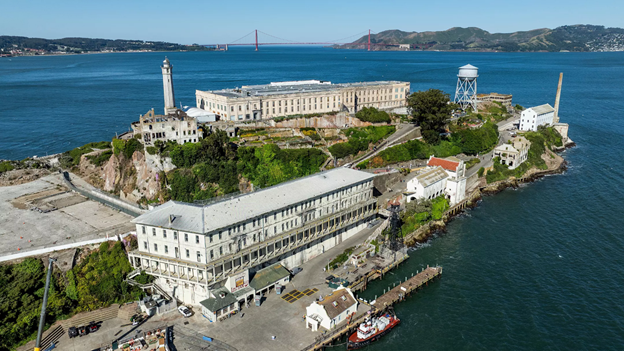
Alcatraz was not always a prison. It started as a military fort and later held soldiers. Signs around the island explain this early period. You see old cannons and foundations that many visitors rush past.
Taking time here adds depth. It shows how the island changed roles over time. This layered past is what makes Alcatraz more than just a prison and places it among the most meaningful things to do in San Francisco.
Understanding the Native American Occupation
One of the most important chapters of Alcatraz history is often overlooked. In 1969, Native American activists occupied the island to protest unfair treatment. Their messages still remain painted on walls. These words feel strong and direct.
Early afternoon light makes these signs easier to see. Standing there, you understand that Alcatraz is also a place of resistance and hope. This moment connects well with broader stories across the city, especially if you enjoy learning about cultural and historical places beyond prisons.
Noticing Small Details That Most Visitors Walk Past
Alcatraz rewards slow walkers. Peeling paint. Rusted railings. Broken windows facing the bay. These small things speak quietly. You hear the wind more than voices in some corners.
If you step aside and wait, the island shows another side. This kind of observation is what many local guides love. It is the same feeling you get when exploring older neighborhoods or reading about other historic experiences around the city. For example, many travelers enjoy connecting this visit with deeper cultural walks found in guides about San Francisco’s past, such as detailed explorations of history-focused experiences across the city.
Visiting the Gardens That Show Life Continued Even Here
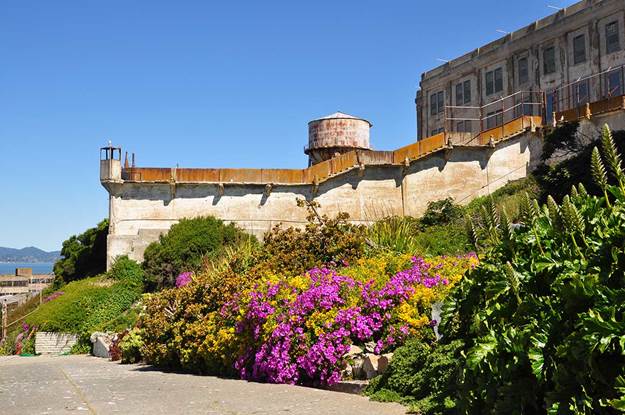
Few people expect gardens on Alcatraz. Prisoners and officers once cared for flowers and plants. Today, volunteers maintain these spaces. Bright flowers grow against gray stone. It feels surprising and gentle.
Late afternoon is a good time to walk through the gardens. The light softens, and the crowds thin. This contrast between beauty and confinement stays with you long after leaving the island.
Watching the City From Afar
One of the strongest moments comes at the end. Standing at the edge of the island, you look back at San Francisco. It feels close enough to touch. You hear boats, horns, and distant city noise.
This view explains why Alcatraz mattered so much. It was not just isolated. It was close to freedom, yet unreachable. This feeling ties into many other places to visit in San Francisco, where distance and history meet.

Final Thoughts
Alcatraz Island is not a place to rush. It asks for patience. It asks you to listen. Among all the things to do in San Francisco, this experience stands out because it mixes silence, stories, and strong emotion. It is free from extra costs once you have your ticket, and it gives more than facts. It gives me a feeling. If you walk slowly and notice small details, the island will speak to you long after you leave.
Frequently Asked Questions
Is Alcatraz Island free to visit?
The island itself has no extra fees, but a ferry ticket is required.
What is the best time of day to visit Alcatraz?
Morning visits feel calmer and less crowded.
How long should I plan for the visit?
Most people spend two to three hours on the island.
Is Alcatraz suitable for children?
Yes, older children can understand and enjoy the stories.
Do I need to book tickets in advance?
Yes, tickets often sell out days ahead.